
You have followed your skincare routine for several weeks. Your skin looks more even, old marks seem less noticeable, and your favorite serum appears to be doing its job. Then, after spending time outdoors or experiencing a few weeks of inconsistent skincare, some dark spots become visible again.
This situation can be frustrating, especially when you have invested time and money in products designed to improve your complexion. However, changes in pigmentation do not always follow a straight path. Several factors can influence how dark spots develop, fade, or become noticeable again.
One commonly overlooked part of a pigmentation-focused routine is daily sun protection. Choosing a suitable Sunscreen for hyperpigmentation concerns can help reduce UV-related triggers while other skincare products address different aspects of uneven skin tone.
Understanding why dark spots return can help you build a more realistic routine instead of constantly replacing products.
Pigmentation Is Not Always a One-Time Skin Concern
Dark spots can develop for different reasons. Sun exposure is one possible factor, but it is not the only cause.
Post-inflammatory hyperpigmentation can appear after acne, irritation, insect bites, or other skin injuries. Melasma is another pigmentation condition that may be influenced by hormonal changes and sunlight.
Because these conditions have different triggers, the same skincare approach may not work equally well for everyone.
Why old marks can become noticeable again
Some pigmentation conditions are persistent. Even when an area becomes lighter, the underlying tendency to develop pigmentation may remain.
For example, someone who experiences dark marks after acne may notice new spots following another breakout. A person with melasma may experience changes in pigmentation during periods of hormonal fluctuation or increased sun exposure.
This does not automatically mean that a skincare product has stopped working. It may indicate that other contributing factors are still present.
Inconsistent Sun Protection Can Work Against Your Progress
Imagine two people using similar skincare products for dark spots.
The first person applies sunscreen every morning, uses enough product, and reapplications it during extended outdoor activities. The second person applies sunscreen occasionally but skips it on cloudy days, weekends, and short outdoor trips.
Even though both people use similar treatment products, their overall sun protection habits are different.
Ultraviolet radiation can stimulate melanin production and contribute to pigmentation changes. This is particularly relevant for people who already experience uneven skin tone.
A suitable Sunscreen for hyperpigmentation concerns should offer broad-spectrum protection. SPF 30 or higher is a practical starting point for everyday use, while SPF 50 may be preferred by people with significant outdoor exposure.
Remember that sunscreen reduces exposure-related risks but cannot guarantee that pigmentation will never return.
Your Daily Environment May Be Affecting Your Skin
Sometimes people focus entirely on their skincare products and overlook their surroundings.
Daily habits and environmental conditions can influence how much sunlight reaches the skin.
Spending time near windows
UVA radiation can pass through ordinary glass. People who sit near large office windows or regularly drive for long periods may receive additional exposure.
Outdoor activities during lunch breaks
A short walk to a restaurant, grocery store, or nearby shop can add to daily sun exposure. These activities are often excluded from people’s skincare calculations.
Changes in seasonal routines
Some people use sunscreen regularly during summer but reduce application during winter or rainy weather.
However, UV exposure does not disappear simply because the temperature drops or clouds cover the sky.
Paying attention to these everyday situations can make sun protection more consistent.
Overusing Skincare Treatments Can Create Another Problem
When dark spots become visible again, some people respond by increasing the number of active ingredients in their routine.
They may start exfoliating more frequently, combine multiple brightening serums, or use stronger products without understanding how their skin will respond.
This approach can create irritation.
Inflammation and skin irritation may contribute to post-inflammatory hyperpigmentation, particularly in people who are prone to developing dark marks.
Signs that your routine may be too aggressive
Watch for:
-
Persistent redness after applying skincare products.
-
Burning or stinging sensations.
-
Excessive dryness and peeling.
-
Increased sensitivity to products that previously felt comfortable.
-
New dark marks appearing after irritation or breakouts.
If these problems develop, simplify your routine and consider professional dermatological advice. Adding more active ingredients is not always the answer.
What to Look for When Selecting Daily Sun Protection
A good sunscreen should match your skin type, daily activities, and personal comfort preferences.
People often focus on SPF alone, but several other details deserve attention.
Broad-spectrum coverage: Look for protection against both UVA and UVB radiation.
PA rating: A PA rating communicates UVA protection. Higher ratings indicate stronger UVA protection within this classification system.
Texture: Lightweight formulas may feel more comfortable during everyday use.
Skin compatibility: Choose a formula that does not cause unnecessary irritation.
Application instructions: Check the recommended quantity and reapplication guidance.
Tinted options: Tinted sunscreens containing iron oxides may offer additional protection against visible light, which can be relevant for some people with melasma.
For those comparing products, the Best sunscreen is not necessarily the one with the most brightening ingredients. Protection, correct application, and regular use should remain the priorities.
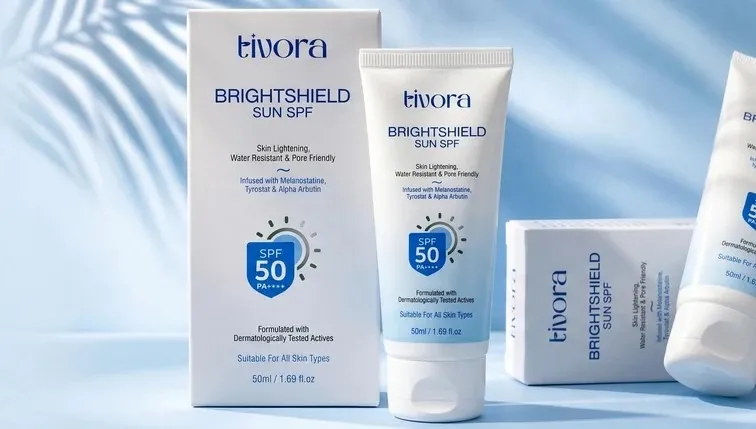
Tivora BrightShield SPF 50 PA++++ is one option worth considering. Its formula includes Alpha Arbutin, Tyrostat, and Melanostatin alongside its sunscreen protection. Its lightweight texture and no-white-cast positioning may appeal to people who prefer a comfortable daily formula.
As with any skincare product, check the ingredient list and usage instructions to determine whether it suits your skin.
Final Thoughts
Dark spots can become noticeable again even after a skincare routine starts showing improvement. Sun exposure, hormonal changes, acne, irritation, and inconsistent product use can all influence pigmentation.
Instead of repeatedly changing your entire routine, identify the factors that may be affecting your skin. Use treatment products appropriately, avoid unnecessary irritation, and make daily sun protection a consistent habit.
The Best sunscreen is one that offers suitable protection and fits comfortably into your everyday routine. For people managing uneven skin tone, a suitable Sunscreen for hyperpigmentation concerns can support a broader approach to maintaining healthier-looking skin.
Long-term consistency is more useful than constantly chasing a new skincare solution. Give your routine time, protect your skin from avoidable exposure, and seek professional advice when pigmentation requires individual attention.
